Reading hub · Action shōnen
The Regalia of the Underdog
Can a commoner steal the crown?
Tarte has everything: rank, fortune, a rare gift for magic, and he makes sure everyone knows it. Until the day a talentless commoner beats him in a duel and throws him the one question that matters: "what do you own, personally?" Disgraced, nicknamed "the mutt," he sets out to forge a will of his own and aim for the crown. We read the three volumes released so far.
Hub published on .
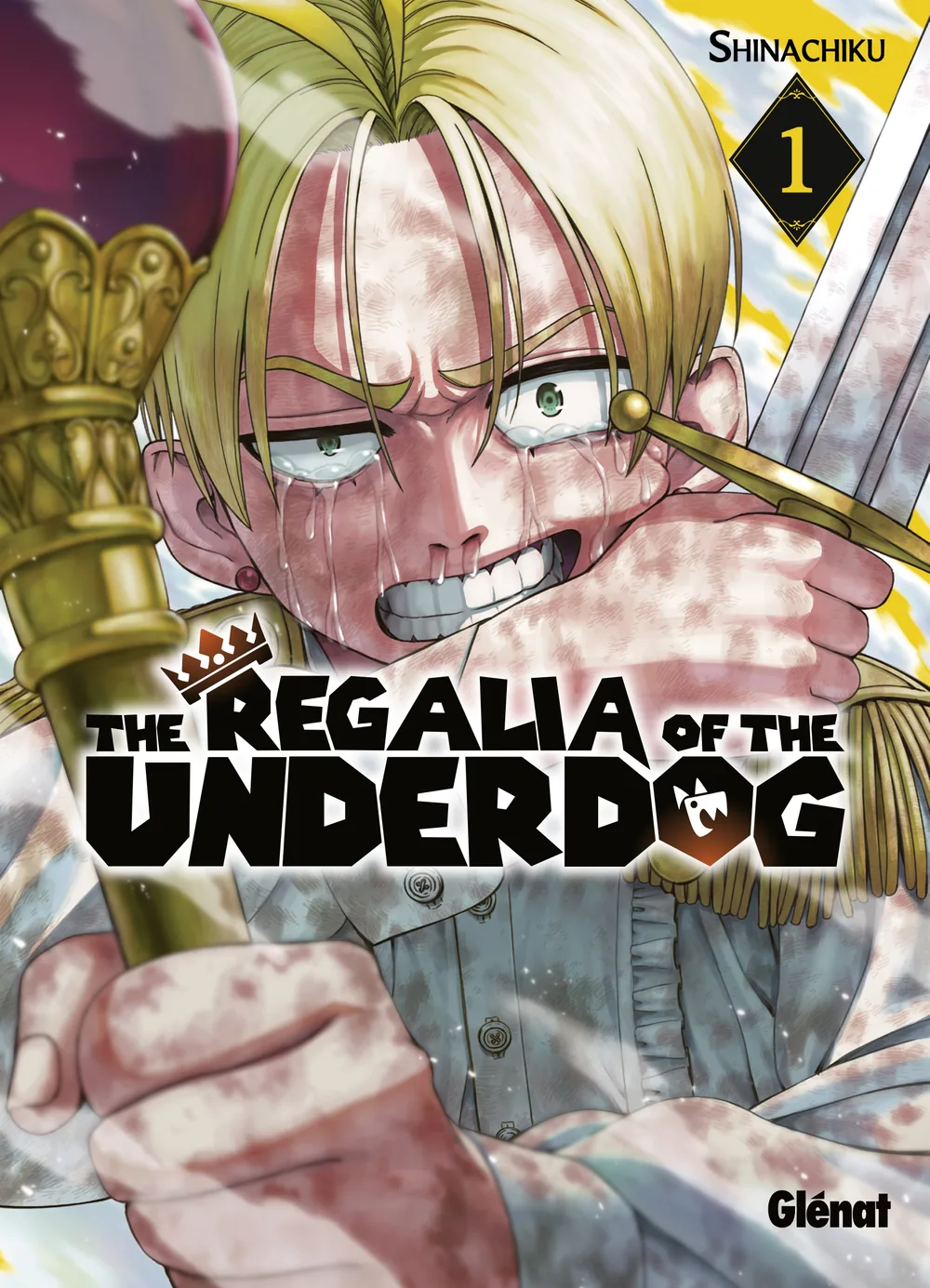
© Shinachiku / MAG Garden. French edition by Glénat. Visual from the book.
A prodigy born with everything, humiliated by a nobody, who has to start from scratch and forge a will of his own. The Regalia of the Underdog grafts a nagging question onto a royal-selection arc: what is truly yours? It also knows how to be funny.
Thread 1 · How the story unfolds
Volume 1: the fall. The arrogant prodigy Tarte loses everything and realizes he owns nothing of his own. Volume 2: the road to the trial, the team bonds against the candidate hunters, and the device is revealed, a one-year selection in which the people "vote" by becoming a candidate's supporters. Volume 3: the trial breaks down when a candidate turns into a giant monster, at the cost of a severed arm and a definition of what a hero is.
Thread 2 · Is it worth continuing?
Yes, and it's smarter than it looks. The opening misdirection (the hero shown as a petty tyrant), tactical fights and an original selection device (popularity as power) set it apart. Caveats: overcrowded melees and a grimacing humor that won't please everyone.
Who's it for?
- You enjoy exam arcs and magical tournaments.
- A commoner hero facing an arrogant nobility gets you going.
- Generous monster design and big impact pages appeal to you.
Not for you if…
- A hero who is unlikable at first (the arrogant prodigy) puts you off right away.
- Overcrowded melees lose you.
- Heavy-handed, grimacing humor or gauge-based magic systems wear you out.
From the school duel that changes everything to a melee of tens of thousands of candidates, then to a giant monster threatening the capital. The scale grows with every volume, but the real engine stays intimate: what are you worth when you have nothing of your own left?
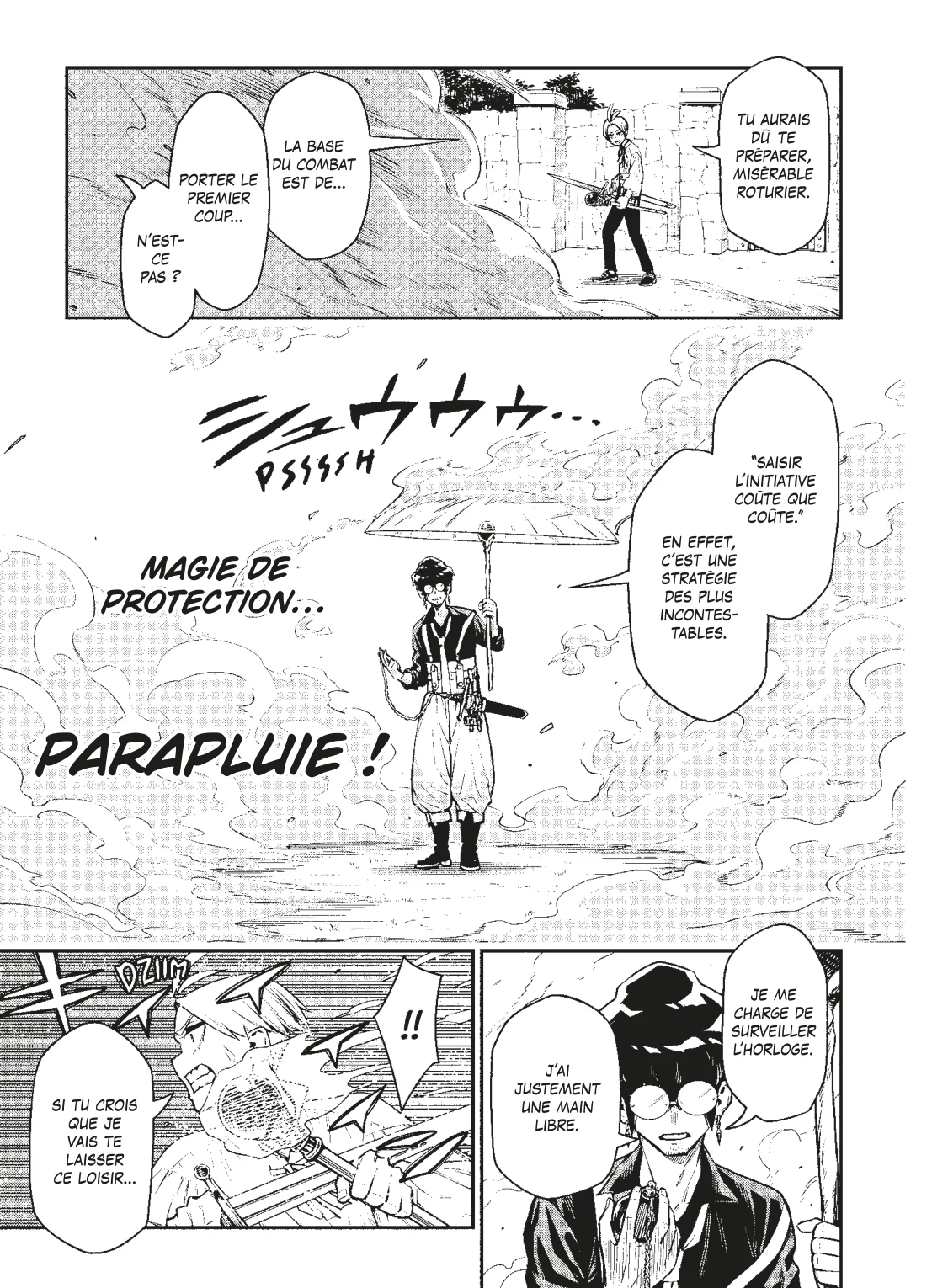
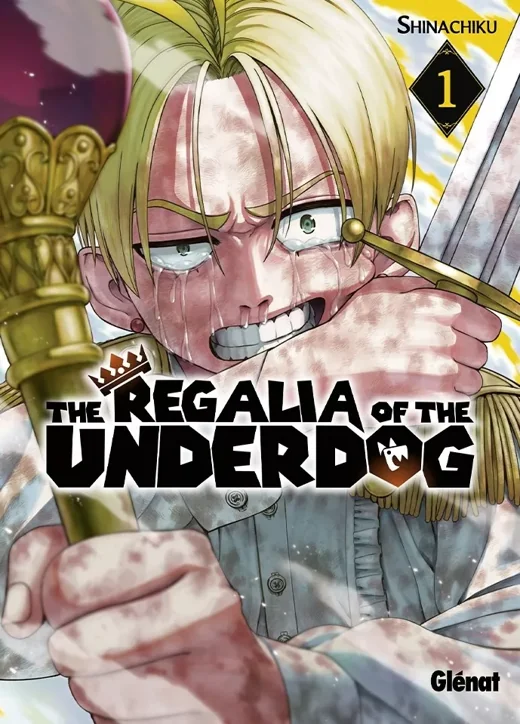
An opening reversal: the "hero" we're shown, Tarte Aupoir Croqmonsieur, is an odious noble prodigy, born with rank, money and a rare gift for magic, and he lets everyone know it. Everything tips when Figo, a blacksmith's son without the slightest gift, beats him in a duel using an anti-magic mechanical weapon and throws him the question that structures the whole series: "what do you own, personally?"
Broken, Tarte gives up his father's money and leaves alone. A cynical former finalist, Roméo, takes him in hand ("the have-not must steal what isn't given to him"), and a first clash with Kazilla, a human-monster hybrid, teaches him defeat and doubt. The volume closes on a ragtag band and a hero who, for the first time, wants something of his own.
The takeawayThe volume presents its hero as the story's petty tyrant, then tears him down and rebuilds him around a single question. Tactical fights, comedy.
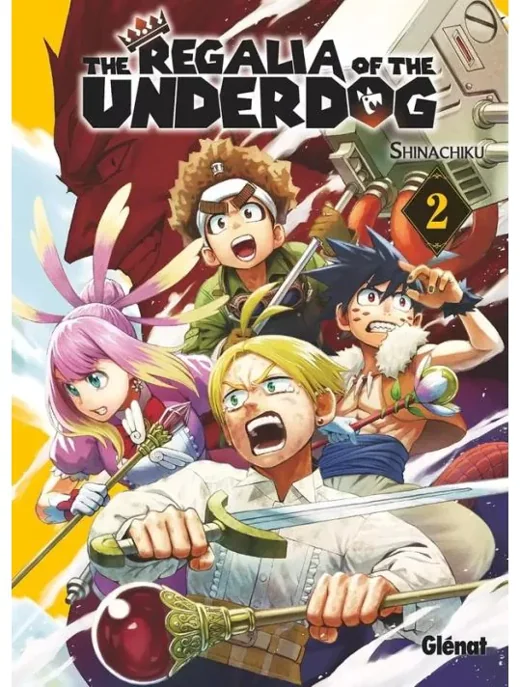
On the way to the capital, the group (Tarte, his bodyguard Tchernika, the magical-girl candidate Shelly, the mentor Roméo) fights off a string of "candidate hunters" paid to eliminate them, climaxing against the colossus Kazilla, who reveals Tarte's "monster" origins and bonds the team. Tchernika's past (an orphan taken in by Tarte's mother) and an episode with a baby dragon the crowd wants to kill lay out the hero's thesis: break the cycle of hatred between humans and monsters.
The volume finally reveals the central device: the Tessère, a one-year royal selection in which every citizen you help becomes a "supporter," and in which you can steal a rival's supporters by destroying their Regalia tablet. "The people will choose the king." The moment it's announced, the trial descends into a pitched battle. Cliffhanger.
The takeawayThe emotional core (Tchernika, the baby dragon) and the series' hook (kingship by "supporters") finally arrive. The team takes shape.
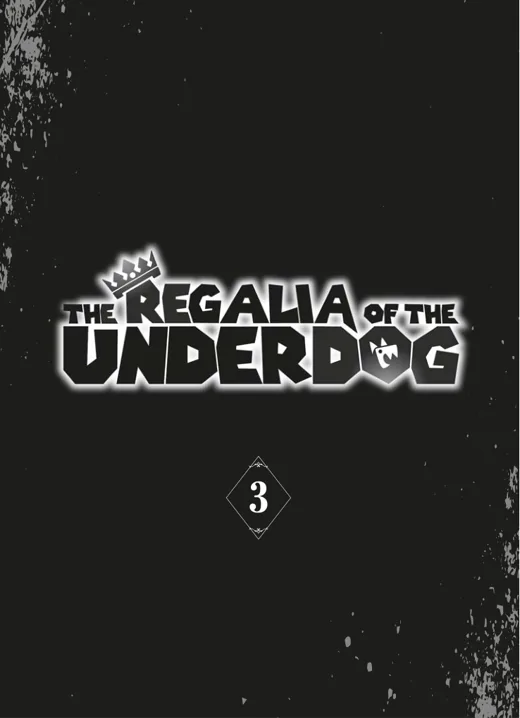
The whole volume is a single climax: the trial breaks down when Kazilla, overloaded with magic, turns into a giant monster marching on the capital. Tarte's idealism is to blame, he believes. Roméo loses an arm there, then rises again by discovering a magic of sound to rally thousands of candidates. The king himself, Léordas Alexer, a monstrous abomination who uses the trial to crush rising talents, brings the monster to its knees.
The group wins a reprieve to save Kazilla rather than kill him: forcing him to regurgitate the absorbed magic so he turns human again. The operation barely succeeds. Tarte gives up believing himself the world's "chosen hero" and recognizes the true hero in his maimed friend. The volume's last word: "a hero."
The takeawayA moving climax (Roméo's arc), with the reveal of a tyrant-king that reframes the stake. Downside: a somewhat convenient resolution and a dense cast.
« What do you own, personally? »The Regalia of the Underdog, vol. 1
Beneath its selection-arc trappings, the series holds up on two counts: an original device (becoming king by winning the people's favor, not by winning fights) and a nagging moral question (what are you worth without your privileges?). Volume 3 leaves the trial suspended, a tyrant-king unmasked and a plot brewing behind the scenes, enough to reignite things without bogging down.
Strengths
- A clever opening misdirection: the hero shown at first as a petty tyrant.
- An original selection device (the crown to the most popular, not the strongest).
- Tactical fights and spectacular summoning design.
- Real emotional weight (Roméo's arc) and supporting characters who rise.
Weaknesses
- A hero who is unlikable at first, and a classic expository start.
- Overcrowded melees that aren't always readable.
- A heavy-handed, grimacing humor that won't please everyone.
- In volume 3, a somewhat convenient resolution.
The verdict
A shōnen adventure smarter than its premise: it traps the reader by presenting its hero as a petty tyrant, rebuilds him around a central question, and grafts an original device onto the selection arc (the crown to the most popular). Comedy and emotion coexist, and the art has sweep. For anyone who likes magical tournaments with a bit more substance than they first appear.
| Original title | Shinachiku, French edition by Glénat |
|---|---|
| Author | Shinachiku |
| Publisher | Glénat |
| Volumes read | Volumes 1 to 3 |
| Reading direction | right to left |
| Volume 3 release | 3 February 2027 (Glénat) |
| ISBN | Vol. 1 978-2-344-07034-5 · Vol. 2 978-2-344-07550-0 · Vol. 3 978-2-344-07866-2 |
| Score by volume | V1 · 8/10 · V2 · 7.5/10 · V3 · 7.5/10 |
| Average score | 7.7 / 10 |

À lire ensuite
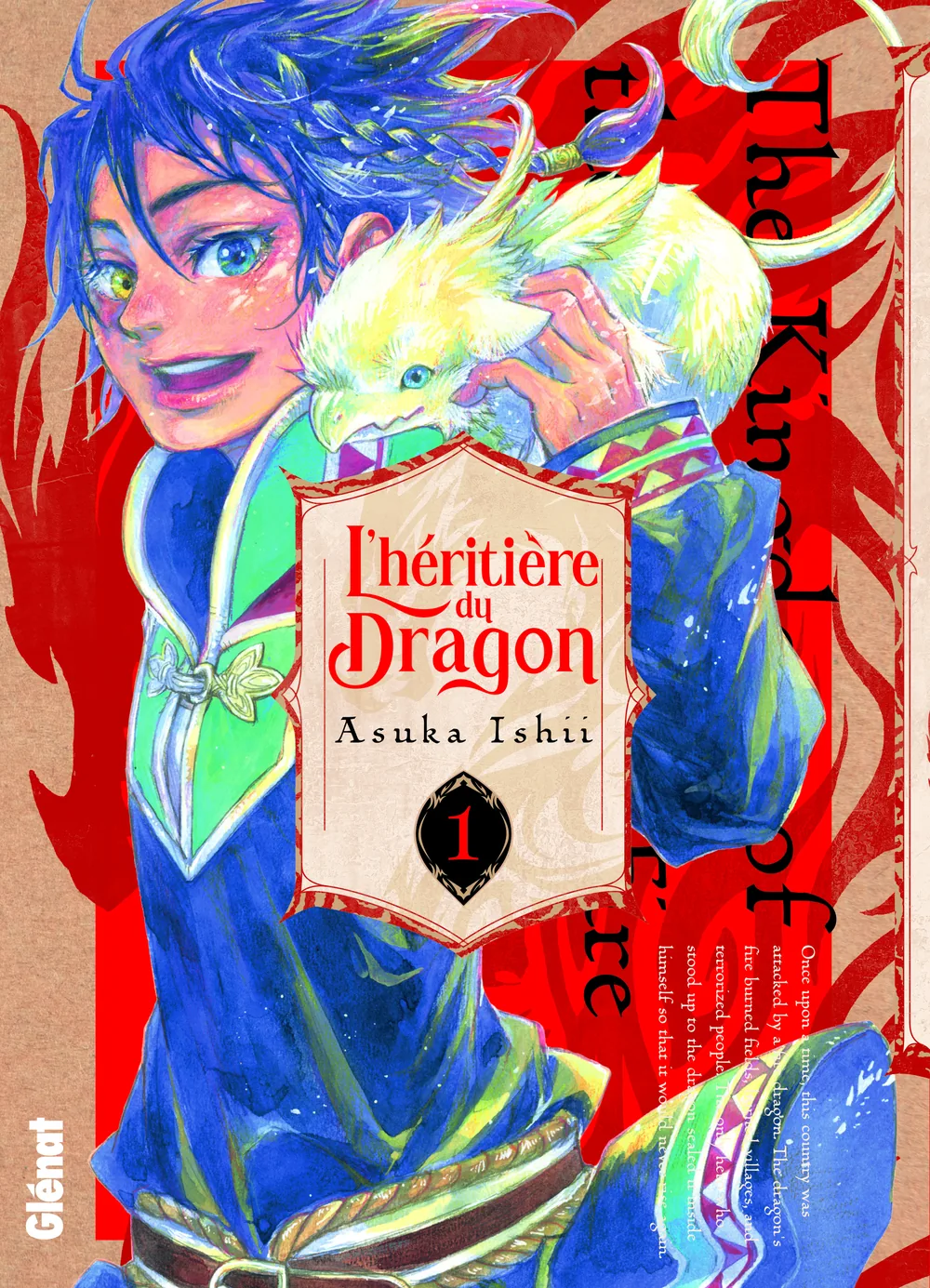 Reading hub · Seinen dark fantasyL'Héritière du Dragon
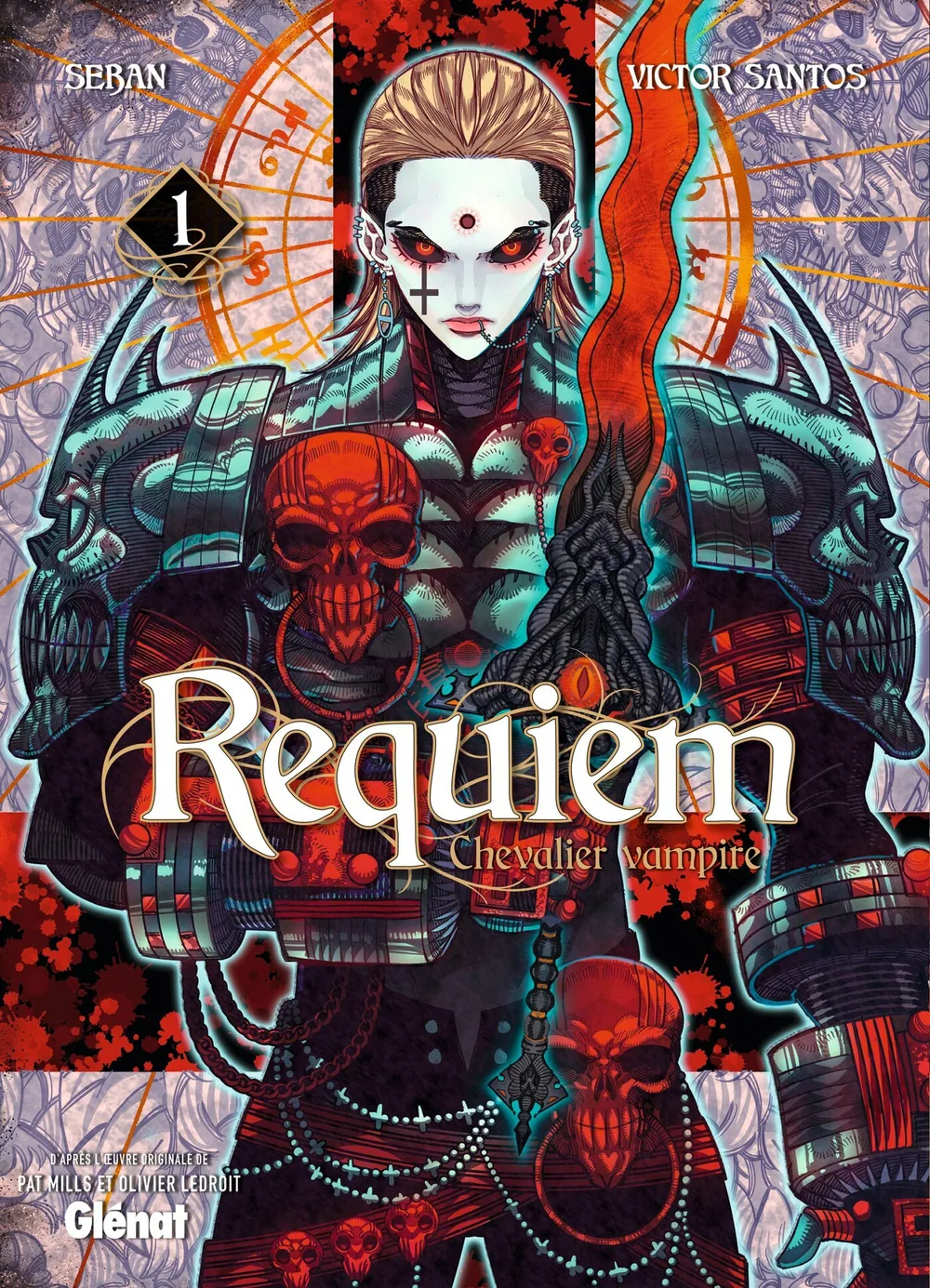 Reading hub · Gothic fantasyRequiem, Chevalier Vampire
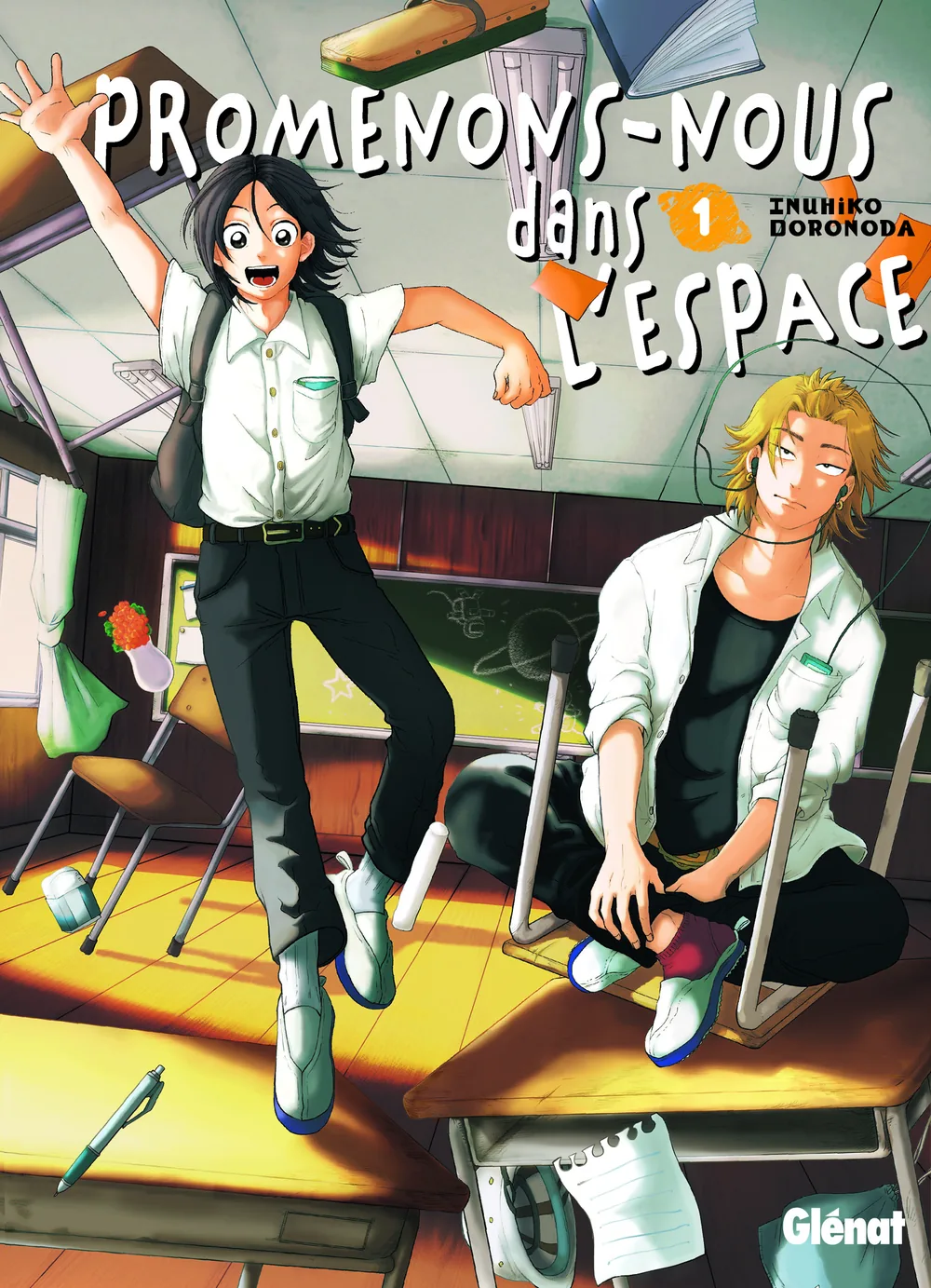 Reading hub · Slice of lifePromenons-nous dans l'espace
How we read it. This piece is based on a complete, page-by-page reading of the three volumes released in French (Glénat edition). The per-volume scores, summaries and quotations all rest on that full reading; lines are quoted as closely as possible to the text.
Credits & rights. © Shinachiku / MAG Garden. French edition by Glénat. Visuals taken from the work, reproduced for review purposes. The work may not be reproduced without permission. Reproduction and text-and-data mining for AI training purposes are prohibited without authorization (art. 4(3) EU dir. 2019/790).